Smart Contracts Gas Oracles May 2026

Contracts can delay non-urgent tasks until prices drop below a certain threshold.

Gas oracles act as a bridge between the network's current state and the smart contract’s logic. By aggregating data from the mempool and recent block headers, these oracles provide an estimated "optimal" price for different speeds of execution.

They allow developers to abstract away the complexity of fee estimation for the end-user. Architectures: Centralized vs. Decentralized

On platforms like Ethereum, gas prices fluctuate based on congestion. During periods of high activity, such as popular NFT mints or market crashes, prices can spike by orders of magnitude within seconds. Without an accurate source of truth for these prices, smart contracts face two primary risks: overpayment and execution failure. Users may pay excessive fees to ensure their transaction is processed, or conversely, set a price too low, causing the transaction to remain stuck in the mempool indefinitely. This unpredictability undermines the reliability of automated systems. The Role of Gas Oracles

As the blockchain ecosystem moves toward Layer 2 scaling solutions and modular architectures, the role of gas oracles will expand. Multi-chain environments require cross-chain gas oracles to coordinate complex operations across different networks. Furthermore, the integration of machine learning could allow oracles to predict future congestion patterns, moving from reactive pricing to proactive financial planning for decentralized applications.

The effectiveness of a gas oracle depends largely on its architecture. Centralized oracles, often provided by proprietary APIs, offer high speed and ease of integration but introduce a single point of failure and trust requirements. In contrast, decentralized oracles, such as Chainlink’s gas price feeds, use a network of independent nodes to verify and aggregate price data. This decentralization aligns with the core ethos of blockchain, ensuring that even if one node provides faulty data, the contract receives an accurate consensus price. Future Implications


Contracts can delay non-urgent tasks until prices drop below a certain threshold.

Gas oracles act as a bridge between the network's current state and the smart contract’s logic. By aggregating data from the mempool and recent block headers, these oracles provide an estimated "optimal" price for different speeds of execution.

They allow developers to abstract away the complexity of fee estimation for the end-user. Architectures: Centralized vs. Decentralized

On platforms like Ethereum, gas prices fluctuate based on congestion. During periods of high activity, such as popular NFT mints or market crashes, prices can spike by orders of magnitude within seconds. Without an accurate source of truth for these prices, smart contracts face two primary risks: overpayment and execution failure. Users may pay excessive fees to ensure their transaction is processed, or conversely, set a price too low, causing the transaction to remain stuck in the mempool indefinitely. This unpredictability undermines the reliability of automated systems. The Role of Gas Oracles

As the blockchain ecosystem moves toward Layer 2 scaling solutions and modular architectures, the role of gas oracles will expand. Multi-chain environments require cross-chain gas oracles to coordinate complex operations across different networks. Furthermore, the integration of machine learning could allow oracles to predict future congestion patterns, moving from reactive pricing to proactive financial planning for decentralized applications.

The effectiveness of a gas oracle depends largely on its architecture. Centralized oracles, often provided by proprietary APIs, offer high speed and ease of integration but introduce a single point of failure and trust requirements. In contrast, decentralized oracles, such as Chainlink’s gas price feeds, use a network of independent nodes to verify and aggregate price data. This decentralization aligns with the core ethos of blockchain, ensuring that even if one node provides faulty data, the contract receives an accurate consensus price. Future Implications
​SOLID SANDSTONE


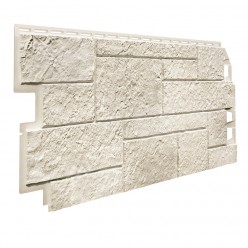
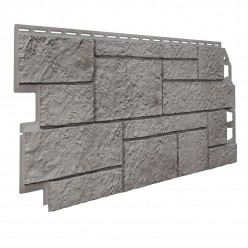
Придать внушительный и презентабельный вид малоэтажному строению жилого или административного характера позволят фасадные панели Vox Solid Sandstone.

  • Они гармонично объединяют в себе функциональность, привлекательность и практичность.
  • Быстро монтируются, скрадывая архитектурные недочёты стен и маскируя подведённые к зданию коммуникации.
  • Не создают проблем с последующим уходом за фасадом.
  • Обладают повышенной ударопрочностью и пожаростойкостью.
  • Обеспечивают тепло- и звукоизоляцию стен.
  • Лицевая часть панелей имитирует кладку из обработанного камня горных пород. Цветовая палитра соответствует природным оттенкам камня.
Вызов замерщика
Расчет и подбор материалов
Монтаж сайдинга и фасадных панелей
Консультации по уходу
Акции и скидки
Акция - 11%
Фасадная панель VOX Solid Sandstone Бежевый/Beige

720640/шт. 1 524 р/м²
Количество панелей на 1 м²: 3

5.0

На складе

Акция - 11%
Фасадная панель VOX Solid Sandstone Кремовый/CREME

720640/шт. 1 524 р/м²
Количество панелей на 1 м²: 3

5.0

На складе

Акция - 11%
Фасадная панель VOX Solid Sandstone Светло-коричневый/LIGHT BROWN

720640/шт. 1 524 р/м²
Количество панелей на 1 м²: 3

5.0

На складе

Акция - 11%
Фасадная панель VOX Solid Sandstone Темно-коричневый/DARK BROWN
Хит продаж

720640/шт. 1 524 р/м²
Количество панелей на 1 м²: 3

5.0|7 заказов

На складе

Акция - 11%
Фасадная панель VOX Solid Sandstone Светло-серый/LIGHT GREY
Хит продаж

720640/шт. 1 524 р/м²
Количество панелей на 1 м²: 3

5.0|22 заказа

На складе

Акция - 11%
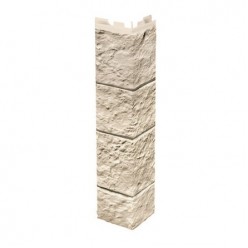
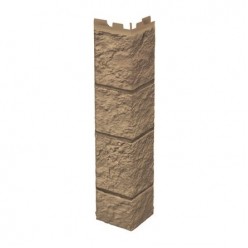
Угол наружный VOX Solid Sandstone (Песчаник), Кремовый
Акция - 11%
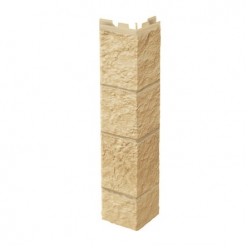
Угол наружный VOX Solid Sandstone (Песчаник), Бежевый
Акция - 11%
Угол наружный VOX Solid Sandstone (Песчаник), Темно-коричневый
Акция - 11%
Угол наружный VOX Solid Sandstone (Песчаник), Светло-коричневый
Акция - 11%
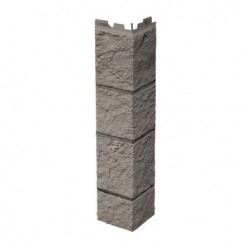
Угол наружный VOX Solid Sandstone (Песчаник), Светло-серый